
Decision
The Reformation of the Monasteries
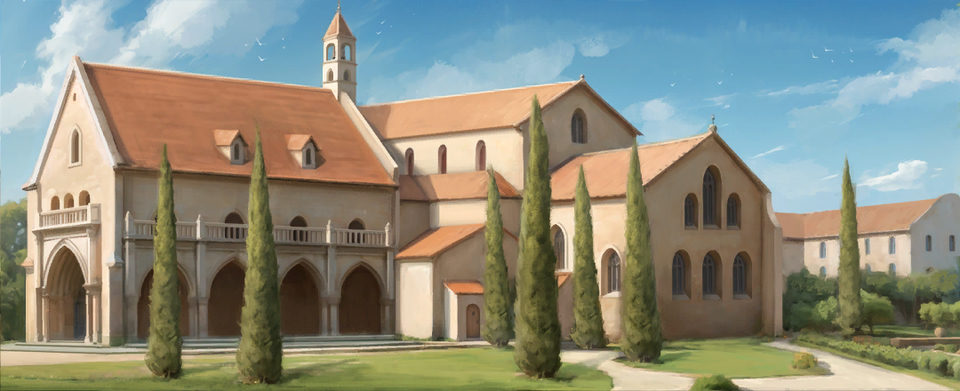
The excessive wealth of religious orders in Country has long been a thorn in the side of the reformists. Discontent among the Commoners against powerful ecclesiastical institutions is another contributing factor for seeking change.
We could attempt to reform these practices and return religious orders to the austere and cloistered ideal.
A total of Num Of Monasteries monasteries appear in records following visitations.
Potential
- ↗Current Age is at least Reformation or later↗It is NOT the
 Traditionsor
 Renaissanceor
 Discovery
- Religion:
 Calvinismor
 Anglicanismor
 Lutheranismor
 Lollardy
Allow
- Has the
 Clergy Estate
 Monasteries Allowed
Exact conditions
Effect
- Set variable
- Name: Austere Monastic Life
- Value: 1
- Clergy loses 15% Estate Satisfaction
- Gain +50 Religious Influence
- Grant estate privilege:
 Austere Monastic Life
- It will not be possible to dissolve the monasteries unless this Privilege is revoked
Exact script
Effect
- Set variable
- Name: Austere Monastic Life
- Value: 1
- Clergy gains +15% Estate Satisfaction
- Clerics in monastic orders gain pop satisfaction extreme bonus Pop SatisfactionEvery owned locationwhere
Exact script
Requires 9
Estates
- ClergyAllow
Religions
- AnglicanismPotential
- CalvinismPotential
- LollardyPotential
- LutheranismPotential
Ages
 ReformationPotential
Buildings
 MonasteryOption 1, Option 2
Pop Types
 ClericsOption 1, Option 2
Modifier Types
- Monasteries AllowedAllow
Belongs to 1
- Country SpecificDecision category
Grants 2
Estate Privileges
- Austere Monastic LifeOption 1
Pop Types
 PeasantsOption 1
Changes 1
- ClergyOption 1, Option 2
References 2
Countries
 EnglandTags
Formable Countries
 Great BritainTags
Scripting 6
Grants 1
- Austere Monastic LifeOption 1, Option 2
Uses 1
- current_age_or_laterage = age_4_reformationPotential
References 4
Script Values
historical_info = eng_austere_monastic_life_decision.historical_info The Reformation or Dissolution of the Monasteries was a major event during the 16th century following England's embrace of the Reformation. Thomas Cromwell, the chief minister to the King, initially sought to dismantle the monastic system, which was seen as an extension of the Roman Catholic Church. The event culminated in the closure of religious houses, including monasteries, abbeys, and convents all across England.
only_once = yes
potential = {
OR = {
}
}