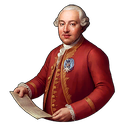
Spanish Enlightenment
The Bourbon reform programs of Charles III and his ministers (Floridablanca, Aranda, and Campomanes) open Spain to the wider European Enlightenment in the second half of the eighteenth century. Gaspar Melchor de Jovellanos publishes his agrarian reports, the Reales Sociedades Económicas de Amigos del País spread across every provincial capital, and the universities of Salamanca, Alcalá, and Valencia introduce modern physics, chemistry, and political economy into their curricula; the Real Ordenanza de la Casa de la Moneda brings Newtonian assaying standards to every royal mint from Sevilla to Potosí; and the new Banco de San Carlos at Madrid pools merchant capital and Crown deposits to finance public projects at terms no private banker can offer. Intellectual and fiscal modernization equips the late Spanish monarchy with the trained ministers, administrative innovation, public credit at sovereign rates, and productive silver mint required to compete in the new continental order.
 Enlightened CourtAdvancerequires
 Spain
Exact conditions
Advance tree





Requires 2
- Enlightened CourtRevolutionsRequires
- SpainPotential
Belongs to 1
 RevolutionsAge