Event
Philip Last Name's Letter to Constantinople

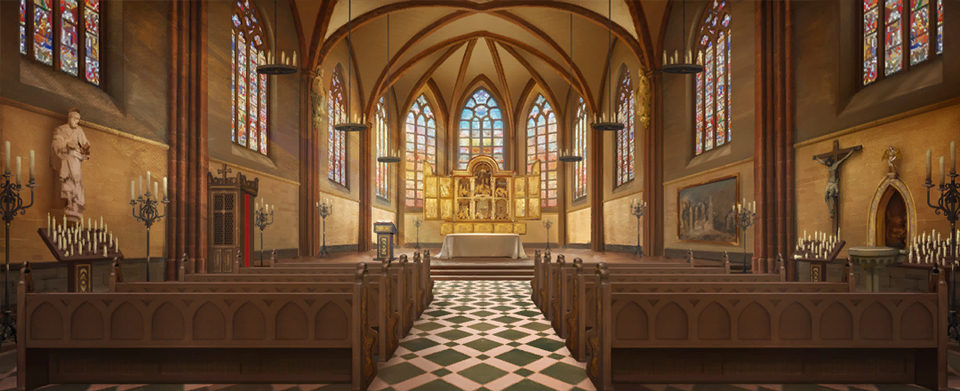
Melanchthon, the foremost theologian in our realm, has proposed a bold course: dispatching an envoy to the Patriarch of Constantinople bearing our Confession of Faith. While the Orthodox and Lutheran faiths remain divided on many matters, they share a common rejection of Papal supremacy. Perhaps the Patriarch would welcome an overture from fellow opponents of Rome.
Event chain
Each event is fired by the one it is nested under; the line below it says which choice leads there and when.
- Philip Last Name's Letter to Constantinople
 A Letter from the Lutheran Reformers↳ Option A “Dispatch [Philip Last Name] with our Confession of Faith.” · 60–90 days later
- The Patriarch Responds with Interest↳ Option A “Engage these reformers in cautious theological dialogue.” · 60 days later
- An Orthodox Scholar Arrives↳ Option A “A bridge, however narrow, is better than none.” · 180–365 days later
- The Patriarch Dismisses the Delegation↳ Option B “They are heretics. Send them away.” · 30 days later
Definitionin_game/events/situations/D008_reformation.txt:5
6type = country_event
7category = situation_event
8title = reformation.17.title Philip Last Name's Letter to Constantinople
9desc = reformation.17.desc Melanchthon, the foremost theologian in our realm, has proposed a bold course: dispatching an envoy to the Patriarch of Constantinople bearing our Confession of Faith. While the Orthodox and Lutheran faiths remain divided on many matters, they share a common rejection of Papal supremacy. Perhaps the Patriarch would welcome an overture from fellow opponents of Rome.
10outcome = neutral
11historical_info = reformation.17.historical_info Philipp Melanchthon (1497–1560), Luther's closest collaborator and author of the Augsburg Confession (1530), held a deep interest in the Eastern Church as a potential ally against Rome. His correspondence with Greek scholars laid the groundwork for later Lutheran overtures to Constantinople. In 1573, theologians from Tübingen sent a Greek translation of the Augsburg Confession to Patriarch Jeremias II, initiating one of the most sustained theological exchanges between Lutheranism and Orthodoxy in the Reformation era.
13illustration_tags = {
1410 = regular
1510 = interior
}
18immediate = {
}
20save_scope_as = from
21character:reformer_philip_melanchton = {
22save_scope_as = melanchthon
}
24location:constantinople.owner = {
25save_scope_as = patriarch_country
}
}