Event
Madeira Wine
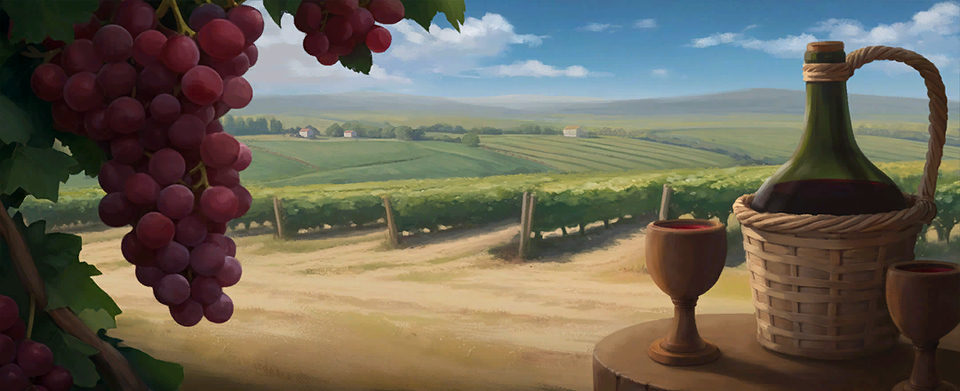
Since the discovery of Madeira, our people have been growing profitable sugarcane, taking advantage of the favorable climate that blesses the island. Recently, though, with the development of the sugar industry in Brazil, the profitability of Madeiran Sugar has gone down and many wonder if the time has come to develop an alternative crop, such as investing in Wine.
 Sugar PlantationBuildingtrigger
 PortugalCountrydynamic historical event.tag
 SugarGoodstrigger
 Colonial NationSubject Typetrigger
Definitionin_game/events/DHE/flavor_por.txt:1420
1421type = country_event
1422title = flavor_por.26.title Madeira Wine
1423desc = flavor_por.26.desc Since the discovery of Madeira, our people have been growing profitable sugarcane, taking advantage of the favorable climate that blesses the island. Recently, though, with the development of the sugar industry in Brazil, the profitability of Madeiran Sugar has gone down and many wonder if the time has come to develop an alternative crop, such as investing in Wine.
1424outcome = neutral
1426image = "gfx/interface/icons/trade_goods/illustrations/icon_goods_wine.dds"
1428fire_only_once = yes
1429dynamic_historical_event = {
}
1436trigger = {
1437owns = location:funchal
1438any_subject = {
1440capital.region = region:brazil_region
1442OR = {
1444any_owned_location = {
}
1450any_owned_location = {
1451region = region:brazil_region
1452count >= 5
}
}
}
}
1459illustration_tags = {
146010 = happy
146110 = exterior
}
1464immediate = {
}
}
1482historical_info = flavor_por.26.historical_info Sugarcane dominated Madeira's economy, propelling Funchal into economic prosperity, attracting European adventurers and merchants. In the 15th century, Funchal became a pivotal port in the European trade routes. Slaves, including Guanches, Berbers, and West Africans, were utilized in sugar cane cultivation, though slave owners were a minority. Barbary corsairs captured 1,200 people in Porto Santo in 1617. Until the 16th century, Madeira thrived as a major sugar market, witnessing the early application of slave labor in sugar production, later influencing larger overseas areas. However, competition from Brazilian and São Tomean plantations led to a decline in Madeiran sugar production, necessitating sugar imports from other Portuguese colonies. The once-booming sugar mills gradually faded, making way for alternative markets in Madeira.