EventChanged this version
The Great Army Reorganization
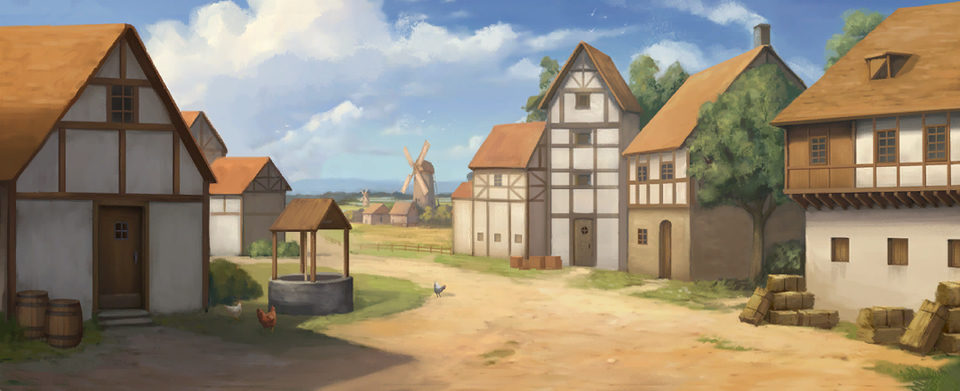
In the past, our military spending has been a serious point of concern. While some past rulers addressed the problem by seizing property and other contentious acts, we have developed a way for our armies to sustain themselves. Not only will our fighters be producing their own foodstuffs, but we have devised a form of sponsorship where ordinary farmers can support a soldier in exchange for tax and military service exemptions. This more sustainable system also removes some of the existing class barriers, strengthening the camaraderie between our soldiers and erasing old resentments. All that is left is to officially implement these new guidelines...
 SwedenCountrydynamic historical event.tag, trigger
Definitionin_game/events/DHE/flavor_SWE.txt:1111
1112type = country_event
1113title = flavor_swe.21.title The Great Army Reorganization
1114desc = flavor_swe.21.desc In the past, our military spending has been a serious point of concern. While some past rulers addressed the problem by seizing property and other contentious acts, we have developed a way for our armies to sustain themselves. Not only will our fighters be producing their own foodstuffs, but we have devised a form of sponsorship where ordinary farmers can support a soldier in exchange for tax and military service exemptions. This more sustainable system also removes some of the existing class barriers, strengthening the camaraderie between our soldiers and erasing old resentments. All that is left is to officially implement these new guidelines...
1115outcome = neutral
1116historical_info = flavor_swe.21.historical_info Charles XI was not a great warrior king like his father and his son, but he was a great reorganizer and consolidator. Apart from his centralization efforts and huge reduction of aristocratic land holdings, he also remodeled the army. Most importantly, he devised the genial 'indelningsverk', or military-tenure system. The system was a military organization where the soldiers were given a croft to live on and cultivate (made possible by the reduction), where the harvest served as their wages. Thus the country could maintain a large army in both times of peace and of war. If a peasant assumed the responsibility of maintaining an enlisted rider, his horse, and his equipment, the peasant was exempted from conscription and freed from paying taxes. The peasants could cooperate in groups of 2-5 farms and maintain a soldier or a sailor. The soldiers were organized into companies of 150 men, and every county should field a regiment of 1200 men. The new system also made no distinction between officers of noble birth and commoners.
1118fire_only_once = yes
1119dynamic_historical_event = {
}
1126illustration_tags = {
112710 = regular
112810 = exterior
}
1134immediate = {
}
}